

Robot Teleoperation for Data Collection: A LimX Setup Guide
What a robot teleoperation setup for data collection needs, and how LimX TRON 2 and Oli fit: arms, VR control, sensing, software and hands.

Magic Leap pioneered advanced AR waveguide technology that set industry standards for optical display systems in augmented reality. Their proprietary waveguide architecture enabled high-quality digital overlays with impressive field of view and optical clarity, making the Magic Leap 2 a benchmark device for enterprise AR applications.
Waveguide technology forms the optical foundation of AR glasses, using layered transparent materials to guide light from micro-displays into the user's eyes while maintaining see-through capability. Magic Leap's implementation was particularly notable for balancing image quality, form factor, and power efficiency.
Despite its technological achievements, Magic Leap has discontinued the Magic Leap 2, marking the end of an era for one of the most advanced enterprise AR headsets. This decision leaves a significant gap in the professional AR market, as the ML2 was widely regarded for:
The discontinuation affects organizations that relied on Magic Leap 2 for training, remote assistance, design visualization, and other enterprise workflows.
However, Magic Leap's technology won't disappear. Samsung and Google have acquired stakes in Magic Leap and are actively developing new AR glasses based on the ML2's waveguide technology and platform expertise.
According to Magic Leap's official announcements:
This partnership positions Samsung and Google to bring enterprise-grade AR capabilities to market, building on the foundation Magic Leap established.
With Magic Leap 2 discontinued and Samsung-Google glasses still in development, HMS Singray G2 Enterprise AR Glasses currently represent the only viable enterprise AR alternative for organizations planning deployments in 2026.
The Singray G2 is positioning itself as the ML2 successor with:
While in its first generation, Singray G2 aims to fill the void left by Magic Leap's exit from the hardware market. Organizations evaluating AR solutions for training, field service, or design review should consider this as the primary true AR option currently available.
While waveguide-based AR offers optical see-through capability, XR passthrough technology represents an alternative approach gaining significant traction. Devices like the Meta Quest 3 use high-resolution cameras and advanced algorithms to capture the real world and blend it with digital content.
Key differences:
| True AR (Waveguides) | XR Passthrough |
|---|---|
| Optical see-through | Video see-through |
| Lower latency | Improving latency |
| Better outdoor performance | Better in controlled environments |
| Lighter form factor potential | Currently bulkier |
| True transparency | Reconstructed reality |
XR passthrough advantages:
The Quest 3 is often cited as "the closest to ML at this time" for organizations needing mixed reality capabilities today, despite being XR rather than true AR.
The enterprise AR market is in transition:
2024-2025: Gap period with limited true AR options
2026+: Expected market expansion
If you need AR capabilities now:
If you can wait until 2026:
For long-term planning:
Magic Leap's discontinuation of the ML2 marks a pivotal moment in enterprise AR, but the technology lives on through strategic partnerships with Samsung and Google. While HMS Singray G2 provides the only current true AR alternative, the broader market—including advanced XR passthrough solutions—continues to evolve rapidly.
Organizations should carefully evaluate whether true waveguide-based AR is essential for their use cases or if XR passthrough can meet their needs during this transitional period. The foundation Magic Leap built in waveguide technology will continue to influence the industry, even as new players bring next-generation devices to market.
For a complete overview of current and upcoming AR glasses options, visit Knoxlabs AR Glasses Collection.
Sources:

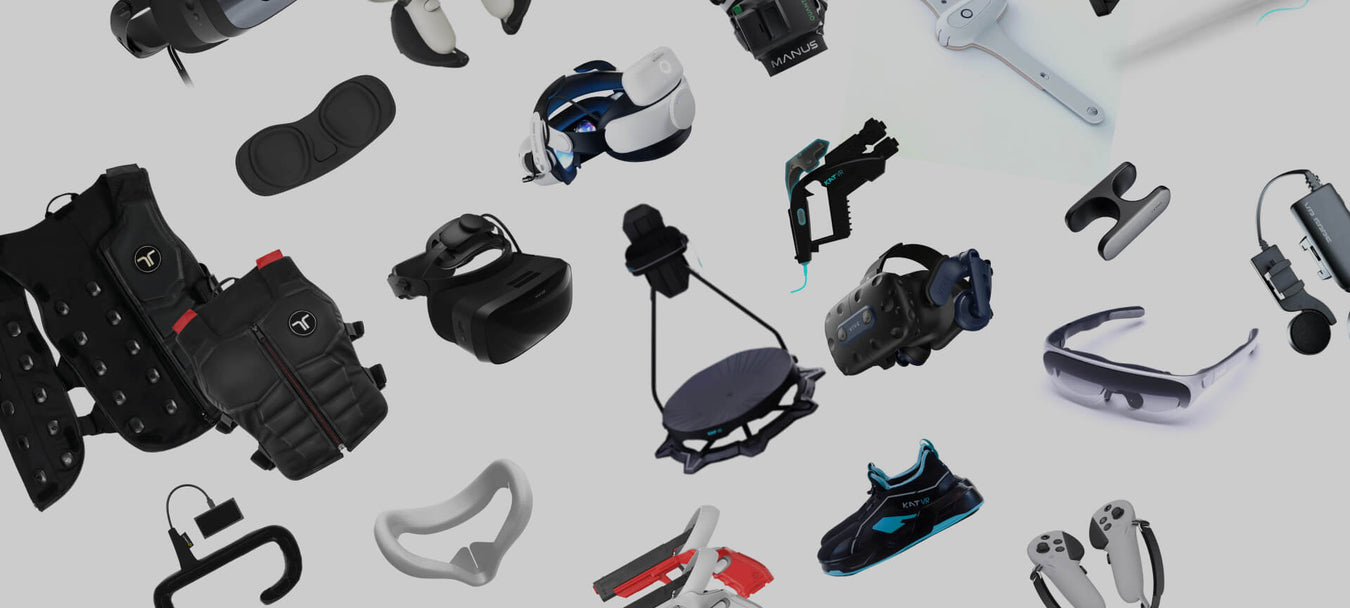

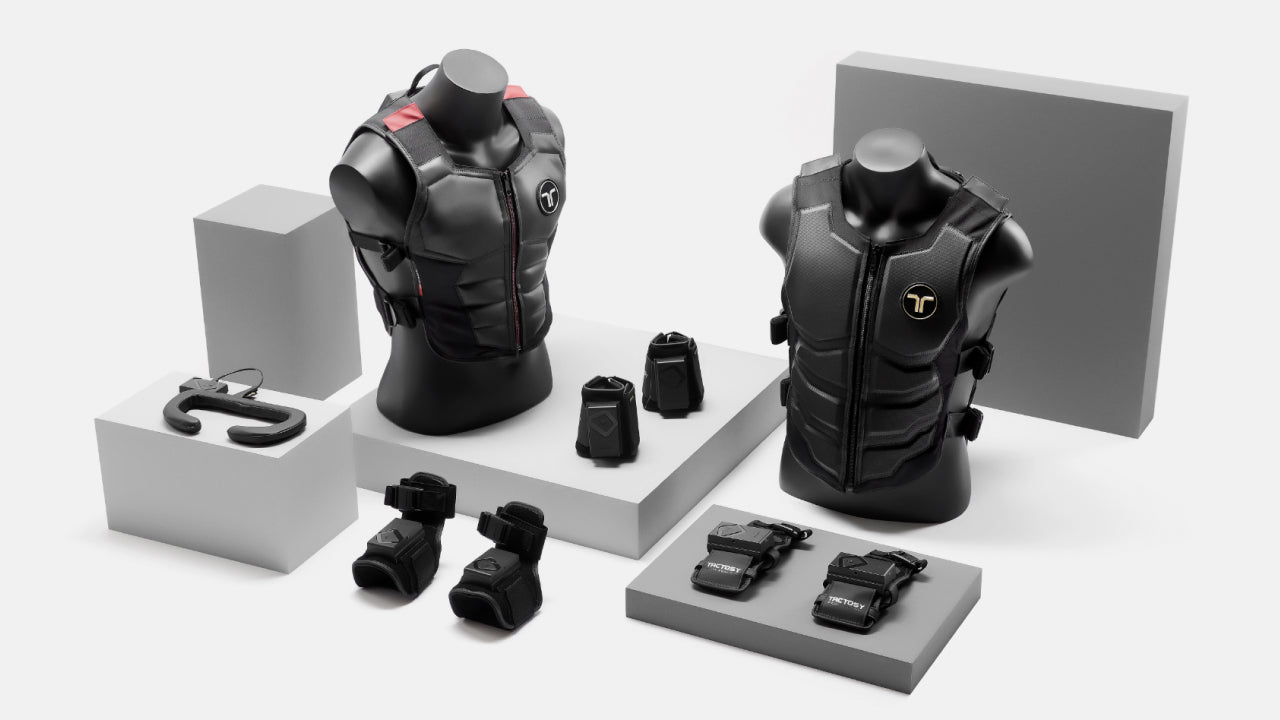
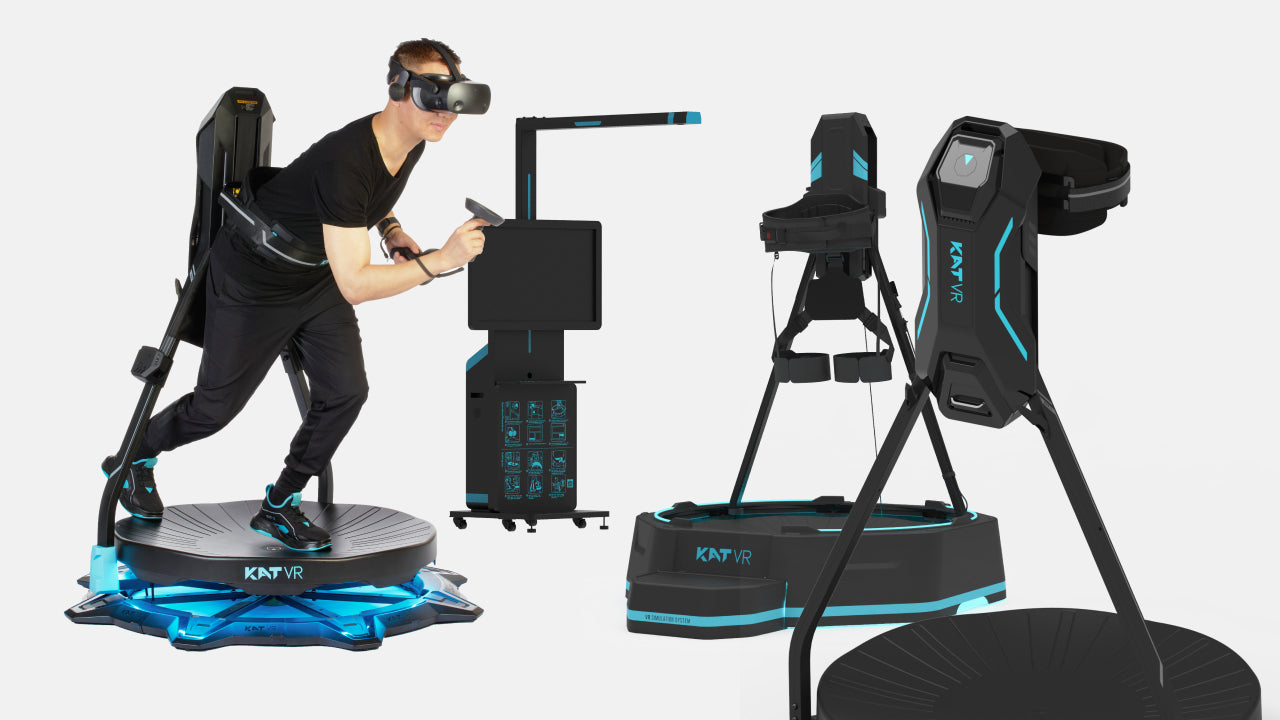
What a robot teleoperation setup for data collection needs, and how LimX TRON 2 and Oli fit: arms, VR control, sensing, software and hands.

Where does your CNC machine wait? How does the part arrive? What happens after a stop? What to define before a cobot machine tending cell is quoted.


Compare the Keenon DinerBot T9, DinerBot T10, ButlerBot W3, CourierBot S100 and KleenBot C40. See which service robot fits restaurants, hotels, retail and healthcare, what each costs, and what your site needs before you order.

A cobot welding cell is more than an arm. See what belongs in the cell, how safety and fume extraction fit in, what drives the cost, and how to tell whether your weld is ready for a first review.