| Dependency |
Requires a connection to a powerful PC, which typically means a high-performance CPU, robust graphics card, and sufficient RAM. |
Self-contained units with built-in processors, not requiring a PC. Optimized for VR experiences within the headset's capabilities. |
| Mobility |
Limited, requires external sensors or a tethered connection to a PC. Restricted movement to the length of the cable and sensor setup area. |
Greater mobility and ease of use. Wireless and do not require external sensors, allowing for more freedom of movement. |
| Performance |
Higher performance for graphically intensive games and professional applications. |
Varies, generally less powerful than PCVR but optimized for efficient VR processing. |
| Ease of Setup |
More complex with external hardware. Requires calibration and space configuration. |
Easier setup. Often just requires charging and simple on-screen instructions. |
| Price |
Generally more expensive, including the cost of the VR headset and a powerful PC. |
More affordable as a standalone product, though high-end models can be expensive. |
| Use Cases |
Intensive applications like detailed simulations and high-end gaming. |
Entertainment, education, casual gaming, and some professional applications. |
| VR Ecosystems (Platforms) |
Typically tied to PC gaming platforms like SteamVR, Oculus Rift (for PC), and Windows Mixed Reality. These platforms offer a wide range of applications and games, often with advanced features and developer support. |
Primarily operate on their own ecosystems, like Oculus for the Quest series, Viveport for HTC, or proprietary systems for specific standalone devices. These ecosystems are often more user-friendly and curated for a broad audience. |
| Representative Devices |
Varjo XR-4, Varjo XR-3, Varjo VR-3, Pimax Crystal, Pimax Vision 8K X, HP Reverb G2, VIVE Pro 2. These devices are known for their high-resolution displays and advanced features tailored for professional and enthusiast markets. |
Meta Quest 3, Meta Quest 2, VIVE Focus 3, Meta Quest Pro, VIVE XR Elite. These devices are popular for their ease of use, portability, and a wide range of accessible content suitable for various users. |
| Price and Hidden Costs |
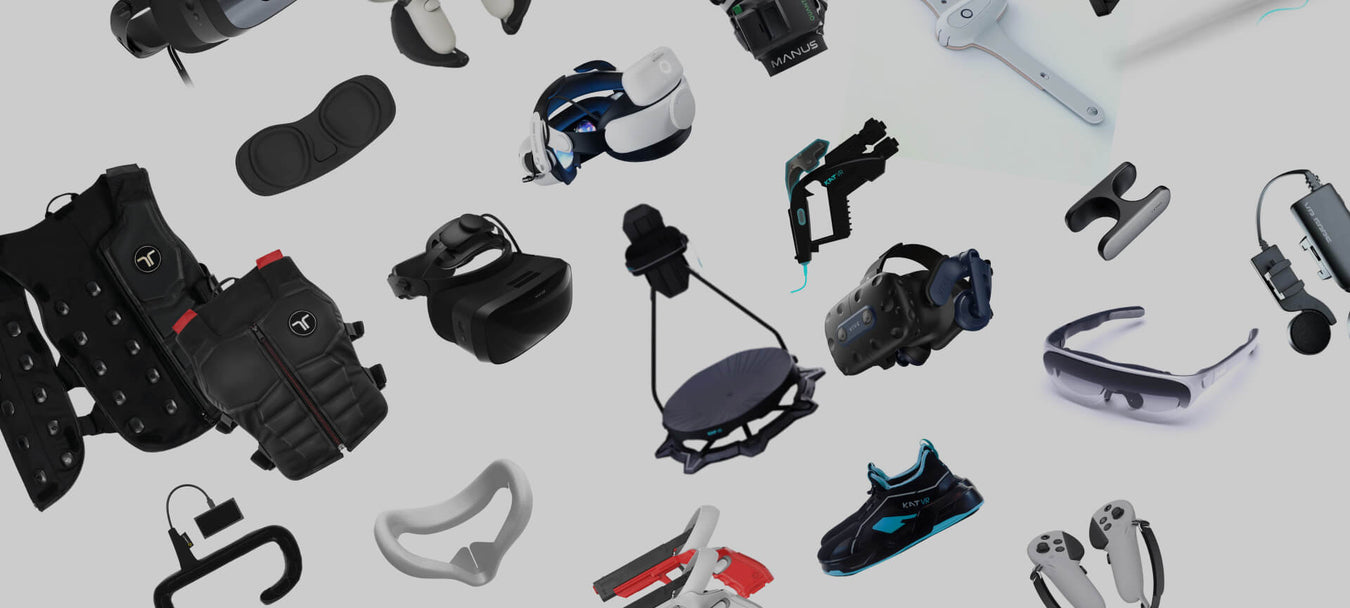
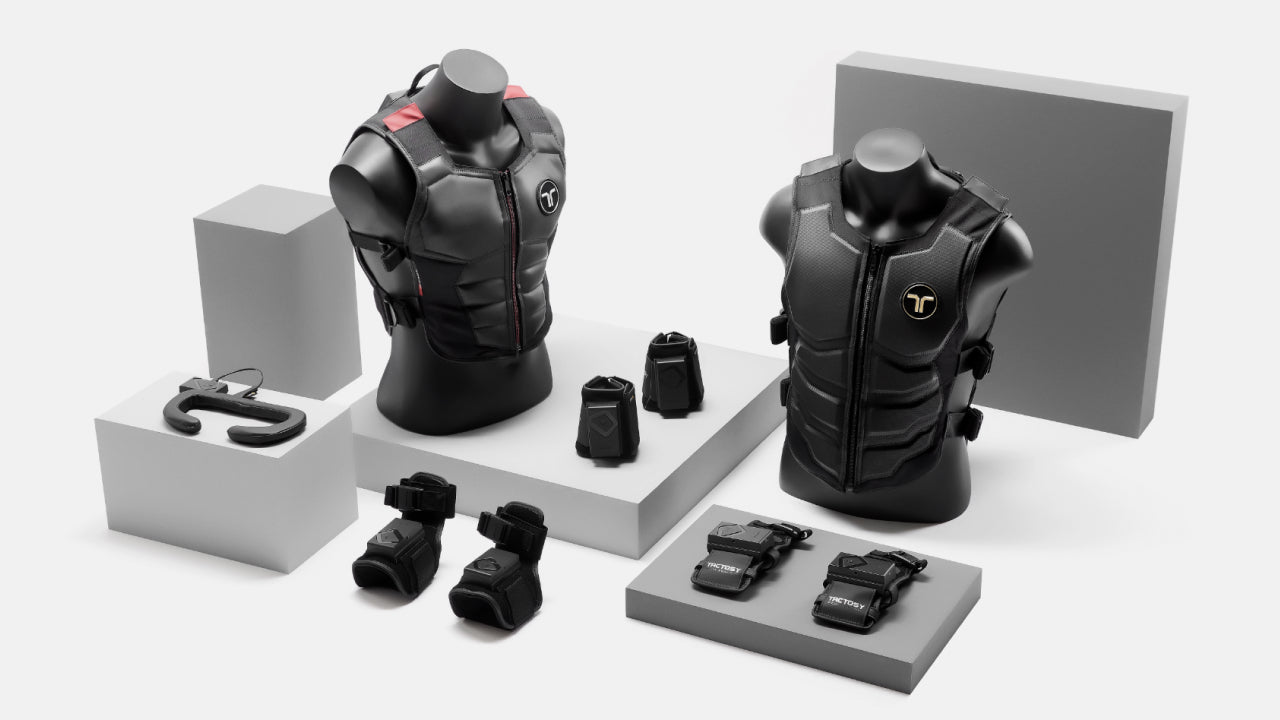
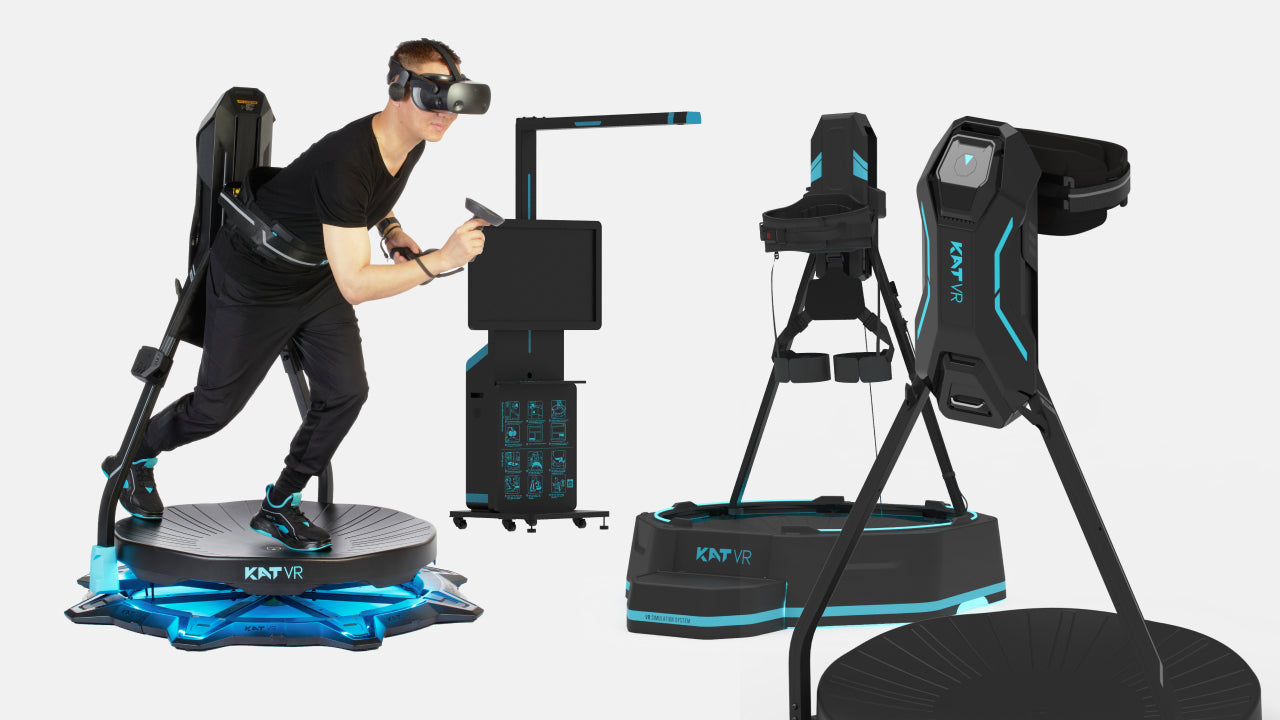
The initial cost is high, and hidden costs include base stations for tracking, high-quality cables, and potentially upgrades to the PC. Additional costs can also come from add-on devices like haptic vests or advanced controllers compatible with PCVR systems. |
Lower initial cost, but hidden costs can include additional controllers, portable power solutions, and compatible immersive devices like simpler haptic vests or VR fitness accessories. Standalone VR systems may also have costs for premium content or subscriptions. |